Explainer10 min
Customers, producers or intermediaries can capture the benefit. Lower costs help a seller only if price, demand and access leave enough of the saving with that seller. A durable advantage depends on something buyers value and cannot easily get elsewhere.
An economic explanation with a fictional accounting model. No market forecast or Atlas business experiment.
Explore the Value capture question →
Explainer12 min
As AI takes on more work, a CTO must help decide which judgements can be delegated, what evidence justifies that authority and how the company can recover when a system fails. The role combines technical architecture with investment, expertise and decision rights; the business still owns its goals.
An argument about leadership grounded in research, not a validated CTO model or a forecast. The launch example is fictional.
Explore the Technology leadership question →
Explainer10 min
AI can help a company learn when experience changes later decisions and checks show the changes help. Shared memory can carry lessons across teams; it can also spread a mistake. The crucial capability is revising what the organization treats as true.
Research shows improvements in specific tasks. Reliable learning across teams and changing conditions remains a stronger, unproven claim.
Explore the Organizational learning question →
Explainer10 min
AI can improve the work without improving the worker’s underlying skill. It can also support learning. The difference depends on the assistance and the reasoning the person still does; better output alone cannot tell you which happened.
Workplace studies and education experiments measure different outcomes. Evidence of long-term professional deskilling remains limited.
Explore the Expertise question →
Explainer8 min
Some GEO changes improve visibility in specific systems. Evidence for a repeatable route from a page edit to profitable demand is much thinner. Find where your offer is being lost, address the cause and measure the customer outcome you care about.
Published experiments, observational data and platform guidance. No universal ranking formula or demonstrated Atlas GEO return.
Explore the GEO question →
Playbook4 stepsTested by Atlas · 26 October 2026
All three versions produced correct answers here. New facts changed what could be decided, including when to reject the offer. Count accurate customer decisions before counting brand recommendations.
Tested on fictional offers supplied directly to Codex. No search visibility or sales measured.
Explore the GEO question →
Playbook4 stepsTested by Atlas · 24 October 2026
Give Codex a concrete deliverable and acceptance checks. Save the work, its evidence and the next action; when you return, check what changed before continuing.
One supervised workflow, continued in a fresh session after a planned change of assignment. No measured reliability or time advantage.
Explore the Long tasks question →
Brief5 min
Recheck a remembered conclusion when its supporting source, version or permission changes—or cannot be confirmed. A memory can become partly outdated while other parts remain useful.
Atlas test · 23 October 2026. Two fresh sessions on three constructed cases; no extra-memory comparison.
Explore the Learning question →
Explainer10 min
Control is shared by whoever sets the agent’s goals, access and commercial incentives. The practical test is whether you can inspect those choices, stop further action and switch providers without losing the ability to finish the job.
Research checked 23 October 2026. The booking is illustrative; the scenarios are conditional.
Explore the Control question →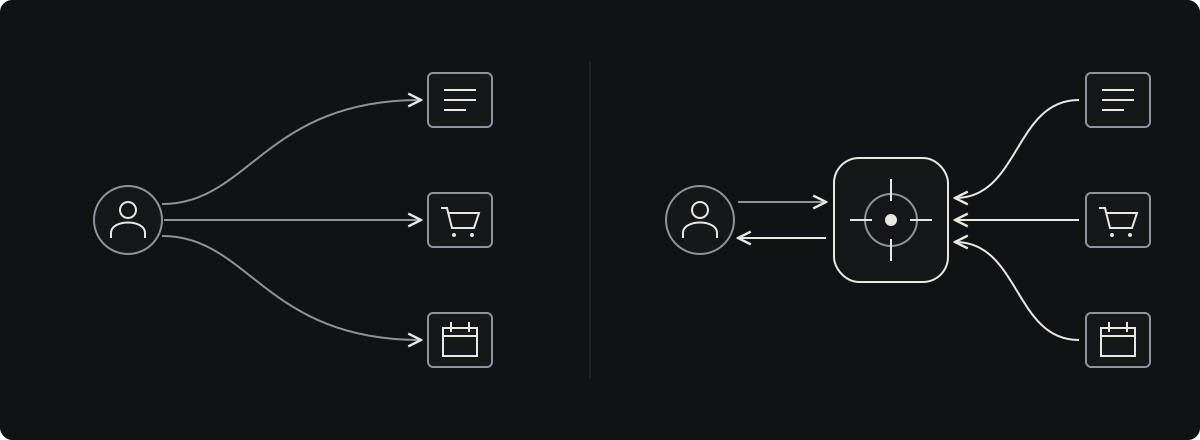
Explainer10 min
AI agents could become a new front door to the internet. Their impact will depend on reliable execution, access to services and whose interests they serve.
Evidence through 23 October 2026. Adoption measures have different populations; the future paths are conditional scenarios, not forecasts.
Explore the Front door question →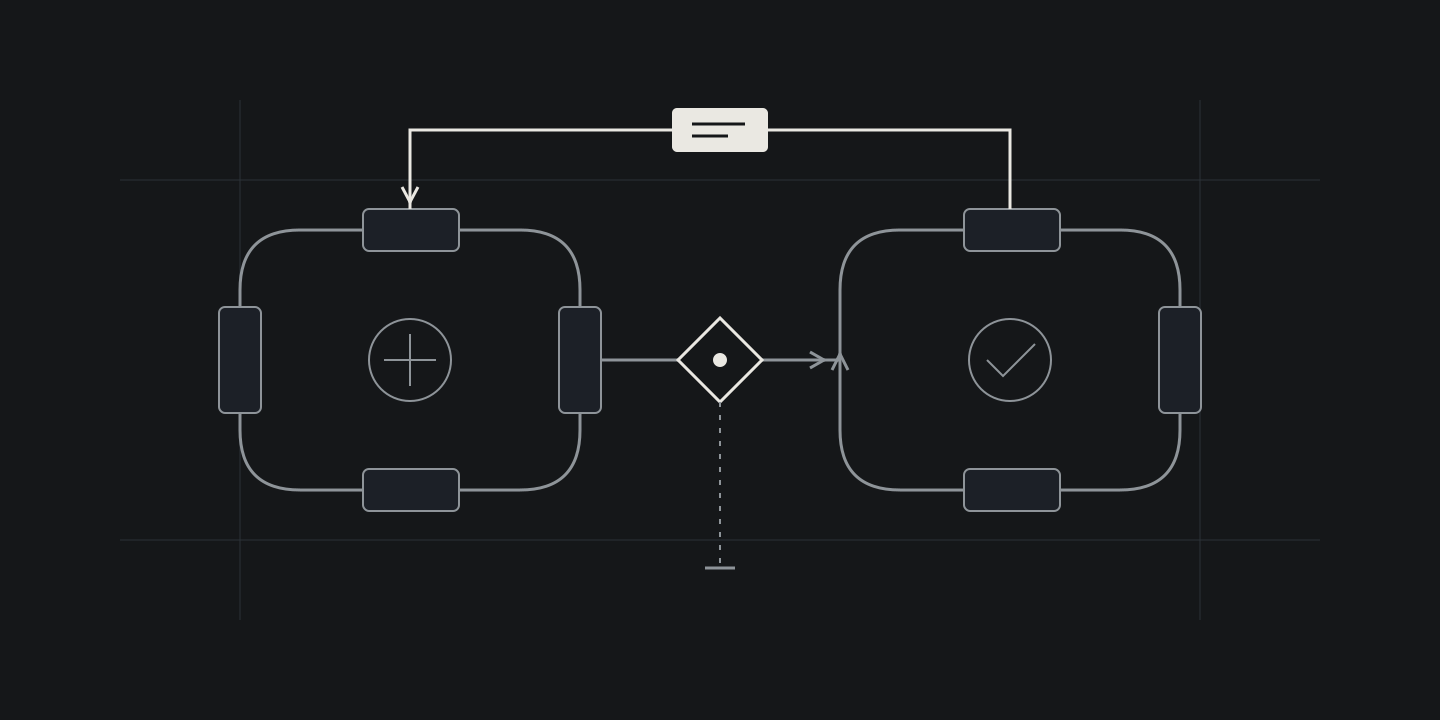
Explainer9 min
An agent learns from experience when it uses past outcomes to change how it handles a new task. Whether that change helps needs a separate check.
Four sessions on four fictional cases; both conditions met all 32 checks. Autonomous learning and long-term memory were not tested.
Explore the Learning question →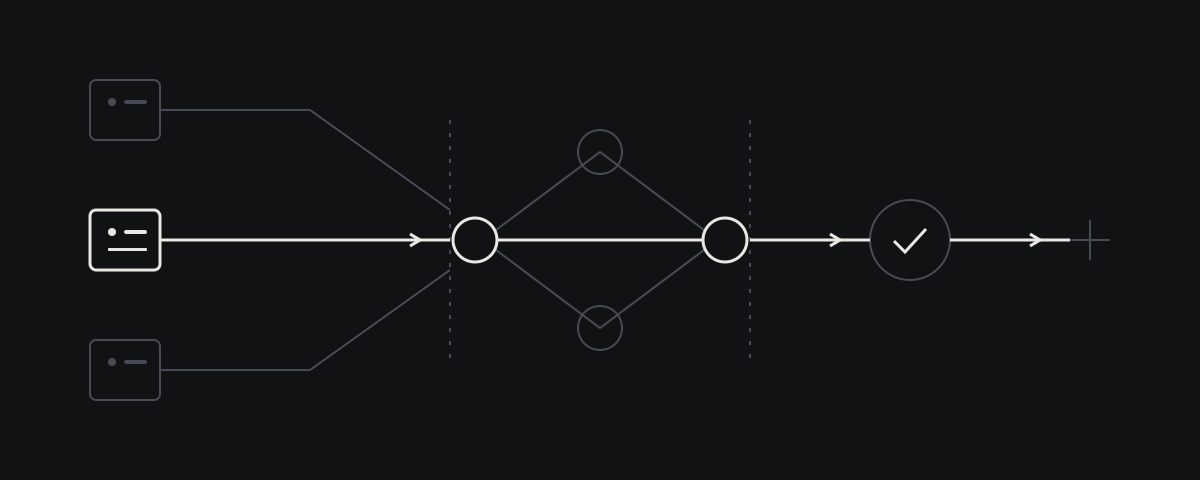
Explainer10 min
An agent chooses from the market it can see, using the evidence and customer context available to it. Your advantage needs to remain visible through that process. Even then, being the recommended brand may not make you the chosen seller.
Documented product behaviour and bounded experiments, interpreted by Atlas. No universal ranking formula or guaranteed route to selection.
Explore the Being chosen question →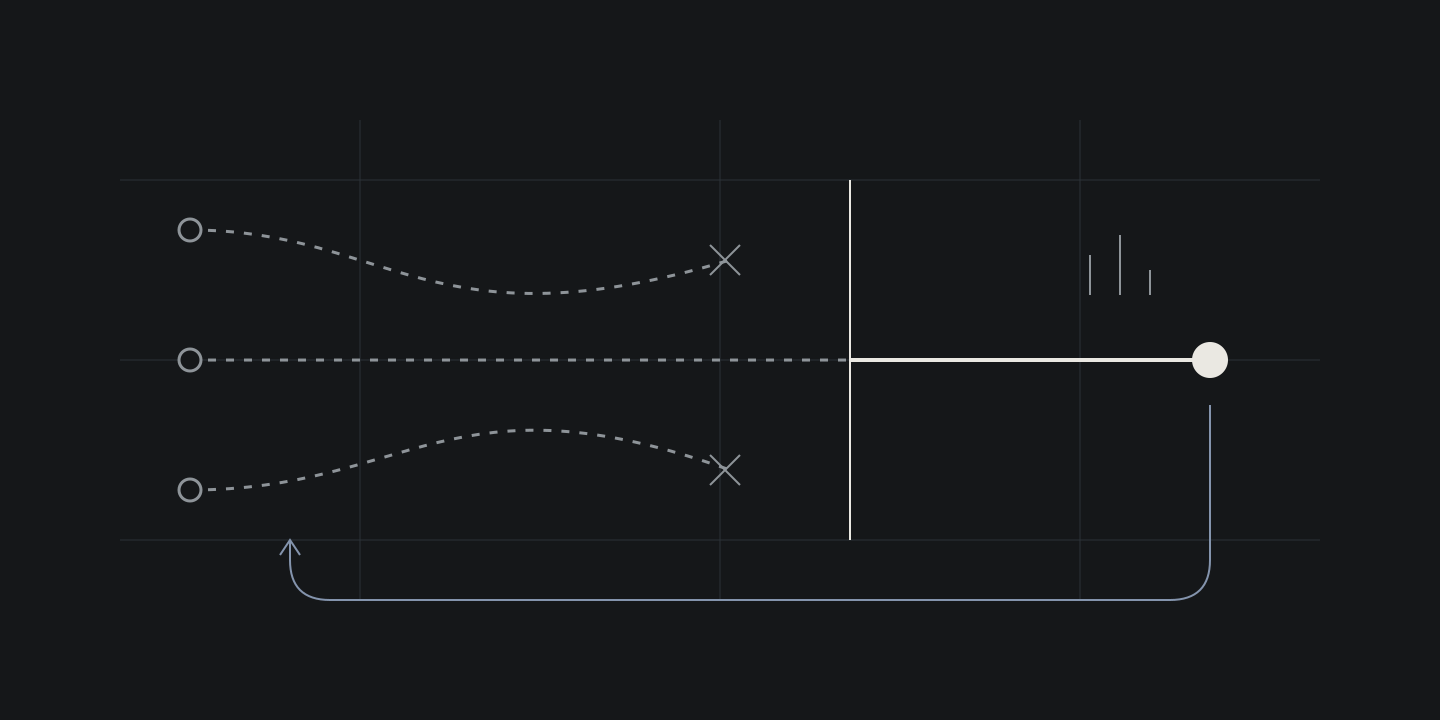
Explainer9 min
Yes—AI can help discover new knowledge. The strongest cases connect generated ideas to checks outside the model: executable rules, experiments and measurements. Novelty and correctness both need evidence.
Concrete research cases, with different kinds of evidence. No claim that AI can autonomously solve science as a whole.
Explore the Discovery question →
Explainer8 min
AI can improve individual work while narrowing a group’s range of ideas. The outcome depends partly on where ideas start, how AI is used and what the process rewards.
Four studies · 2024–2026. Includes two preprints; bounded writing and product tasks.
Explore the Creativity question →